


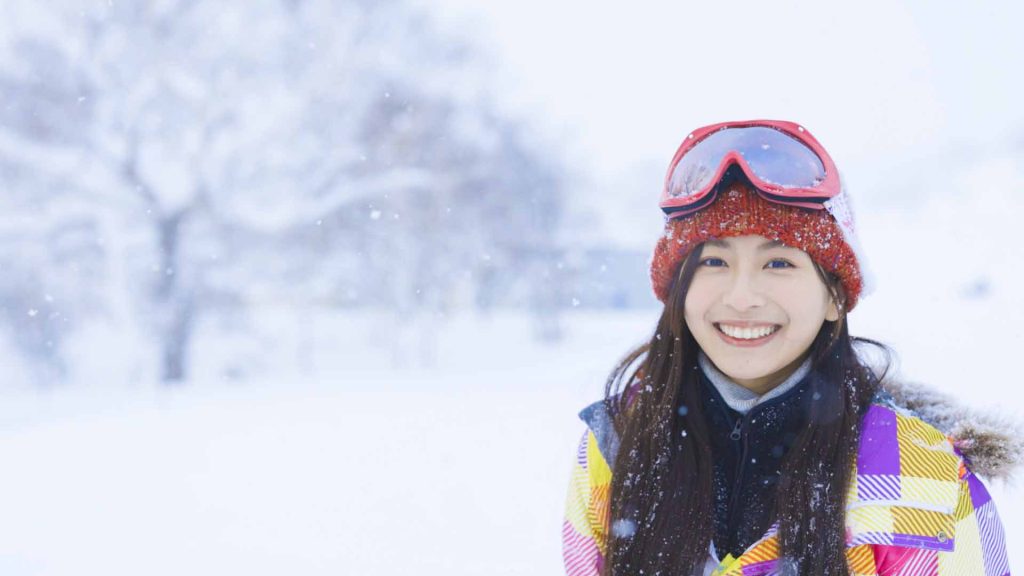
Japan’s ski resorts are famous for deep, dry powder, but if you aren’t dressed for the conditions, even the best snow can feel miserable. This is the ultimate guide to what to wear in the snow in Japan so you can stay comfortable and warm during your trip.
Key Points:
- Wear layers of clothing
- Base layer of merino wool or polyester blend
- Long sleeve shirt as a mid-layer
- Lightweight puffer or down jacket
- A snow specific shell outer jacket and pants
- Merino wool or polyester blend socks
- Hi-top shoes for walking around town (avoid canvas shoes and high heels)
- Tip: Avoid cotton clothing
The Right Gear
A proper waterproof jacket and pants that are designed specifically for snow are a must when getting around in the snow in Japan and will be your most important pieces for staying warm. Look for features like powder skirts, and adjustable cuffs to keep snow out when you’re riding on the mountain or even walking around town playing in the snow. A proper jacket and pants with a smooth texture will allow the snow to simply fall off without sticking and saturating your clothes. The outerwear you choose doesn’t have to be goretex necessarily as most snow jackets are already made with a breathable, waterproof layer.
Snow specific, water resistant gloves are just as important, and properly insulated ones will keep your fingers warmer on cold days. Regular, untreated leather gloves are not recommended since they are usually designed with breathability only in mind, and might allow some water inside the glove. Thick woollen gloves can be okay for walking around town, but if you are picking up snow with them, don’t expect them to keep your hands warm for long. It’s better to use gloves that have been designed specifically for snow use. You can also layer your hands with a glove liner for extra warmth and are easy to wash keeping your gloves clean for longer.
A balaclava or neck warmer is perfect to stop snowflakes from getting under your collar. A beanie is always recommended to keep your ears warm, and sunglasses in the daytime are great at protecting your eyes from glare, wind, and whiteout conditions when walking around in the village.
Keep Your Feet Dry
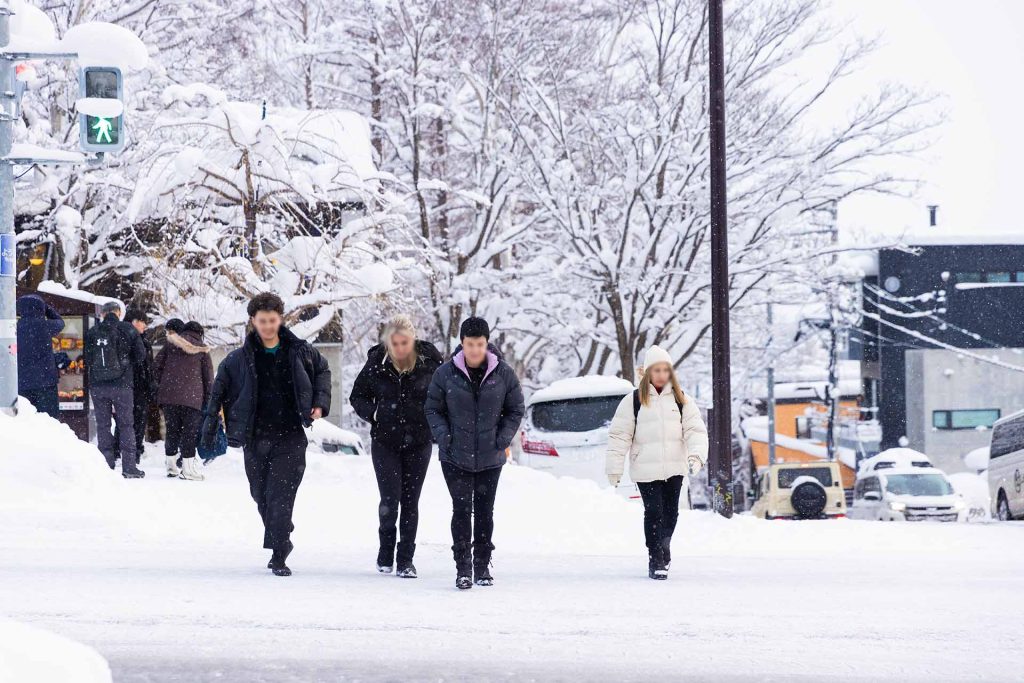
Good snow boots or gumboots will keep your feet warm and dry when you’re walking around town or playing in the snow. Resorts like Niseko often have streets covered in compacted snow or ice, so good snow boots with solid grip make life easier. Canvas shoes should be avoided since they will absorb moisture very quickly and soak your feet. Shoes with heels are also not recommended since the snowy ground is generally uneven and unstable. Thick merino wool socks are highly recommended since they will keep your feet warm even when getting slightly damp. Socks made of cotton should be completely avoided because they absorb moisture too well and become saturated very quickly, sticking to the skin and pulling warmth away from your feet. You don’t always need snow boots or gumboots for walking around town, but hi-top shoes will definitely help. Tip: If you’re wearing regular shoes, dust off all the snow around your ankles when going inside to stop the snow from melting on your shoes and pant cuffs.
If you’re concerned about slipping, you can use snow spikes that strap on to your shoes. They give you extra traction on icy paths. These are particularly recommended for older family members who are at higher risk of injury if slipping over. You can pick these up at just about any retail shop at most ski resorts.
Let’s talk Layering
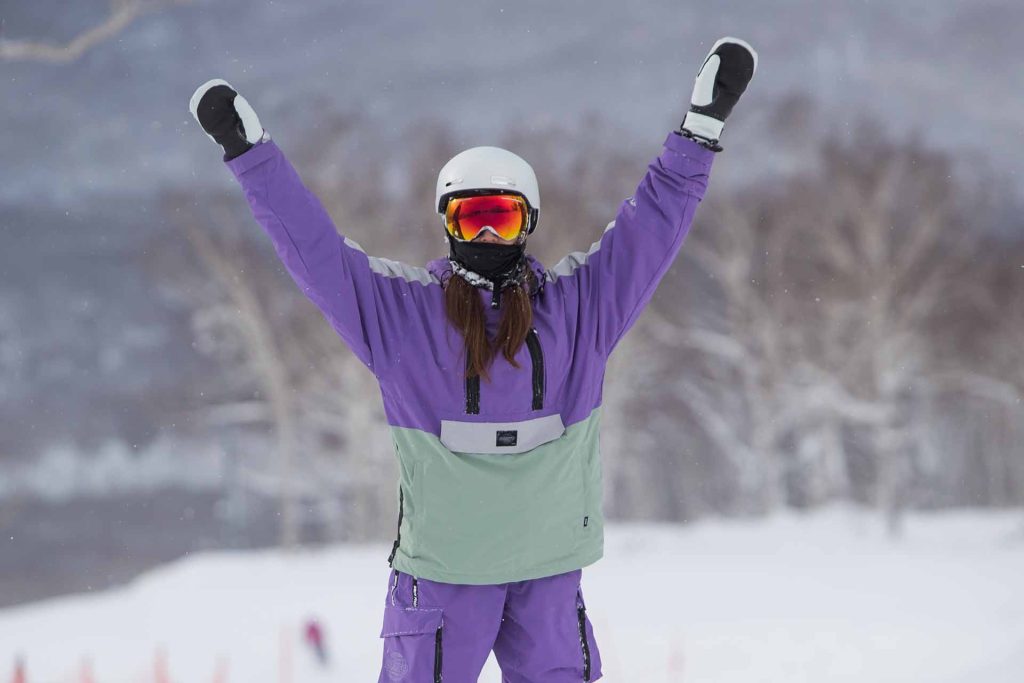
Layers work best when you’re out riding on the mountain. This means that you can take off a layer if you’re too hot, or put on an extra layer if you’re cold. Start with a breathable base layer that won’t get saturated easily – merino wool and polyester blend is common and effective. A base layer is one that is in contact with your skin just like leggings or a tight fitting shirt. Avoid cotton or cotton blends since these will get saturated very quickly and remove heat from your body. Your next layer should be a long sleeve textured polyester shirt or even a fleece for insulation. If you’re prone to the cold, a very light down jacket will be your next layer. These are great because it will be the main layer that you take on or off to adjust to the weather. They can pack down very small so you can easily put this layer in your backpack while riding. Finally a winter specific shell jacket and pants will be your outer and most important layer. A good jacket does not have to have a thick lining since you will already be using other layers to keep warm. Plus a shell jacket without a lining is lighter allowing better packability in your suitcase and can be easier to move around in while riding.
You don’t need to spend a fortune on your base or mid layers – there are great options from many big retailers for these kinds of layers. Likewise for your outer shell layers – they don’t necessarily need to be the most expensive, but they do need to be breathable and water-resistant. Make sure your jacket has a powder skirt, adjustable cuffs, and is loose enough for you to move around comfortably in, without being baggy. Ideally it should still cover your back while bending your body forward or crouching down. Ski jackets tend to be a bit shorter while snowboard jackets have a little more length. These will be ideal for what to wear in the snow in japan.
For Kids
For what to wear in the snow in Japan for kids, follow the same recommendations as for adults with layering and choosing the right materials. Onesies are popular for kids and can be warm, but keep in mind the extra time it takes to remove a onesie to use the bathroom. We recommend a jacket and pants combo for kids which is easier to get in and out of when taking breaks, however onesies can still be a great option. Some kids will take more breaks than others, depending on their age, ability and the weather, so being able to adjust layers will be very useful. We recommend bright clothes for kids which will make it easier to keep track of kids while out on the slope.

When you’re booking your Niseko accommodation, or Hakuba accommodation look for places that offer drying rooms. Having somewhere to hang wet jackets, pants, and boots overnight makes a huge difference to your comfort while riding.
The main thing to keep in mind when planning what to wear in the snow in Japan is to think about your layers. Make sure you have:
- Base layer top and bottom (ideally merino wool & polyester blend)
- Light mid-layer (avoid cotton)
- Light puffer or down jacket (easy to take on and off)
- Shell jacket (ski or snowboard specific)
If you want to know more about skiing in Japan check out our blog for more tips. If you’re ready to go on an adventure to Japan’s best ski resorts, get in touch with our team and get a quote.
