



The Japan Meteorological Agency’s latest outlook points to a winter that begins with La Niña-like conditions before returning to neutral. While La Nina in Japan can influence the weather, it does not always mean more snow. This season’s forecast considers many factors, suggesting a mixed but promising outlook for Japan’s major ski resorts.
The Japan Meteorological Agency’s latest outlook suggests that La Niña-like conditions will persist into early winter, even though the Pacific Ocean has not officially entered a full La Niña phase. Sea surface temperatures in the central Pacific remain slightly cooler than normal, and trade winds are stronger than usual, creating an atmosphere that looks similar to La Niña.
These conditions may shape the start of winter in northern Japan, but JMA expects them to weaken as the season progresses. The agency gives an 80 per cent chance that neutral conditions will continue through to early spring, meaning the Pacific is not expected to stay locked into a La Niña pattern for long.
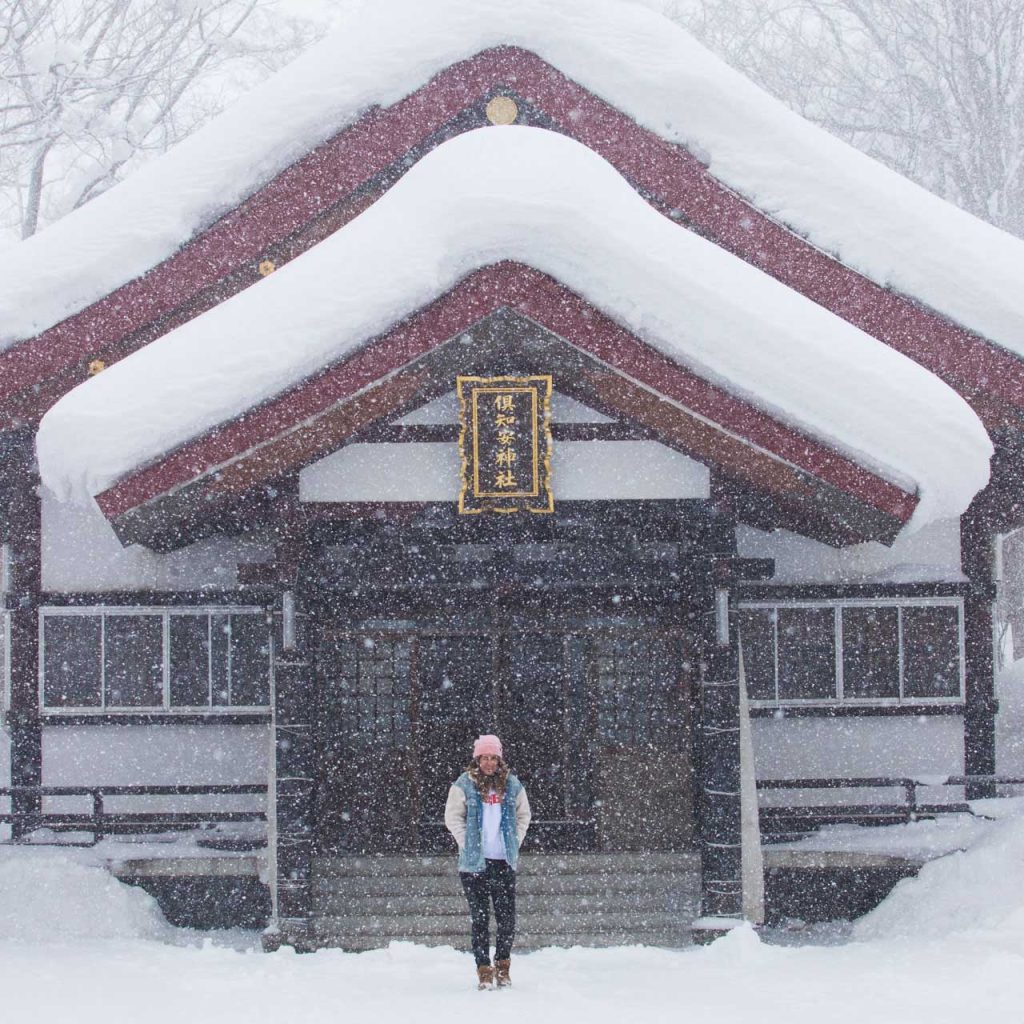
What La Nina means for Japan’s ski resorts
It is common to associate La Niña winters with colder temperatures and heavy snow, but the data show that the relationship is not always straightforward. While some past La Niña winters brought strong snowfall to regions such as Niseko and Rusutsu, others have been average, and some areas like Hakuba have even seen less snow than usual.
JMA’s long-range forecast considers many different climate factors, not only sea surface temperatures in the Pacific. These include the strength of the Siberian High, jet-stream patterns, and sea temperatures around Japan, all of which can affect how much snow actually falls.
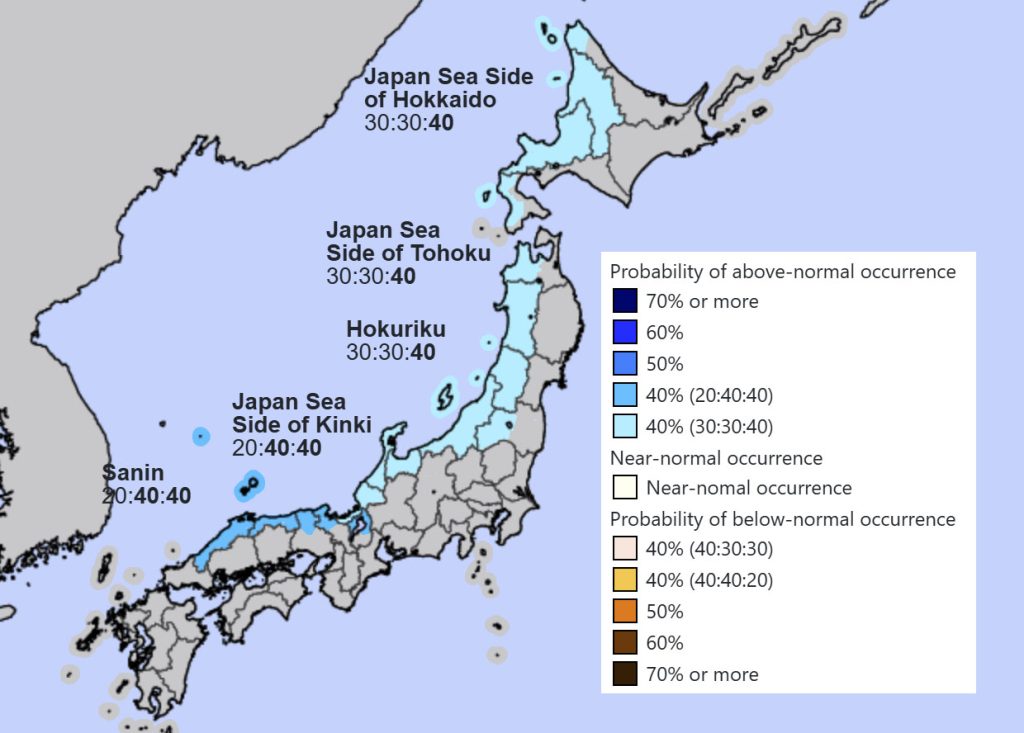
For this winter, JMA is giving a 40 per cent chance of above-average snowfall along Japan’s Sea of Japan coast, which includes Niseko, Rusutsu, Furano and Hakuba, and a similar 40 per cent chance of above-average temperatures. This suggests a variable season with periods of good snowfall but also some milder spells, particularly later in winter as conditions trend back toward neutral.
In short, La Niña may help set the tone early in the season, but it is just one piece of a much larger climate puzzle. Japan’s 2025–26 winter looks likely to deliver plenty of great skiing conditions overall, even if it does not fit the classic La Niña pattern.