



What’s the Difference: Hakuba vs Niseko?
Japan’s two most famous ski destinations, Hakuba and Niseko, each offer world-class snow, exceptional scenery, and an exciting resort atmosphere. Yet the experience in each is quite different, thanks to geography, weather, culture and the towns. Find out which is the best for you in our Hakuba vs Niseko comparison.
Hakuba vs Niseko Summary
- Niseko tends to receive very consistent snowfall whilst Hakuba receives fewer, but often even larger dumps!
- Niseko has less steep terrain but easily accessible backcountry via gates while many Hakuba resorts feature longer runs, steeper terrain, and greater variety, as well as powder skiing areas.
- Travel times are comparable depending on where you are coming from. If a direct flight to Sapporo is available from your destination (now including Sydney!), the shorter airport to resort transfer times may make Niseko the shorter journey.
- Most Niseko accommodation is concentrated at the base of the slopes, whilst Hakuba provides a variety of resort hubs and off the beaten track accommodations.
- Dining in Niseko is largely upmarket, whilst Hakuba offers casual and traditional Japanese eateries, together with fine dining restaurants.
- Both regions have excellent onsen and day-trip opportunities, but Hakuba offers more historic and cultural sites and excursions, while Niseko provides access to Hokkaido’s food and coastal attractions.
Snow Conditions and Weather
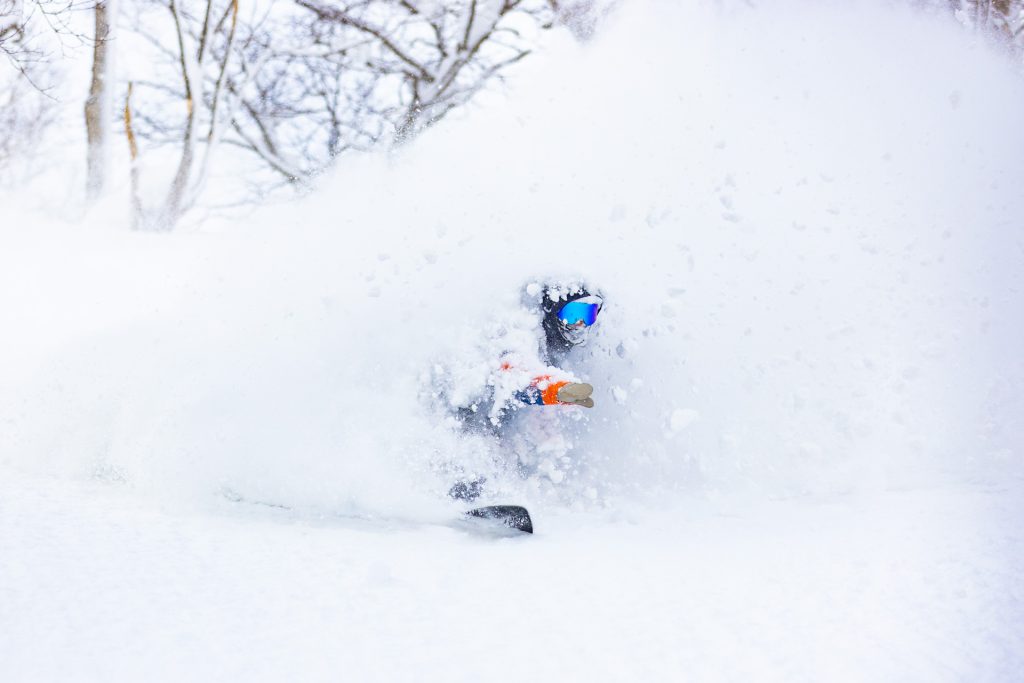
The most significant difference between Hakuba and Niseko is snowfall. Niseko generally has more snowfall days, while Hakuba generally has less frequent snowfall but can have big 24hrs snowfall. Niseko has around 90+ snow days while Hakuba has around 55+ snow days. (Source: 360 Niseko, SnowJapan)
Of course the weather being weather is unpredictable, but in general these are the patterns that occur at both resorts.
Niseko’s snow tends to stay fluffier for longer because in general the weather is either cloudy, overcast or puking with snow, meaning that the sun doesn’t have much of a chance to affect the top layer of snow. In Hakuba skiers are able to ski in the sun a bit more often, but that means that the top layer does get affected by the sun. Both are great ways to enjoy the powder, just slightly different weather patterns giving slightly different conditions.
Access
To reach Niseko, travellers fly from Tokyo to New Chitose Airport near Sapporo, then continue by bus or private transfer for around two and a half hours. Direct flights to Sapporo (New Chitose Airport) are also available from Australia and within the Asia region, meaning that travellers will be able to skip the stopover in Tokyo to save time. Check out our article about direct flights to Sapporo.
To reach Hakuba, travellers can take a direct bus from Narita or Haneda Airport (about five hours), or a combination of shinkansen and local bus or taxi via Nagano (roughly five hours including transfers). If you’re already staying in and exploring Tokyo, travel time to Hakuba is around three to four hours using a direct train from Shinjuku as well as the shinkansen and bus.
Accommodation
Most Niseko accommodation is concentrated almost directly around the base of the ski slopes (Annupuri, Niseko Village, Hirafu and Hanazono), but there are more options around the area accessible by car. If you’re looking to stay at the base of the resorts they are all connected on the mountain and via shuttle buses. The Hirafu area serves as the main hub, offering a wide selection of hotels, chalets and apartments within walking distance of the lifts. Free shuttle buses connect the villages, but most guests can ski directly to or from their accommodation. Niseko also has a number of ski-in ski-out hotels and apartments.
Hakuba accommodation is spread across several villages throughout the valley, with most options concentrated around Happo-One, Wadano, and Echoland. Hakuba Valley’s eleven resorts are linked by a free shuttle system (for holders of the Hakuba Valley lift pass), so visitors often use buses to move between resorts. The variety of areas gives Hakuba a more dispersed and traditional feel, with small lodges, ryokan and Western-style chalets scattered across the valley. Restaurants and shops can be found throughout the Hakuba Valley, but there are hubs around Echoland for example that have a higher number of restaurants.
Dining
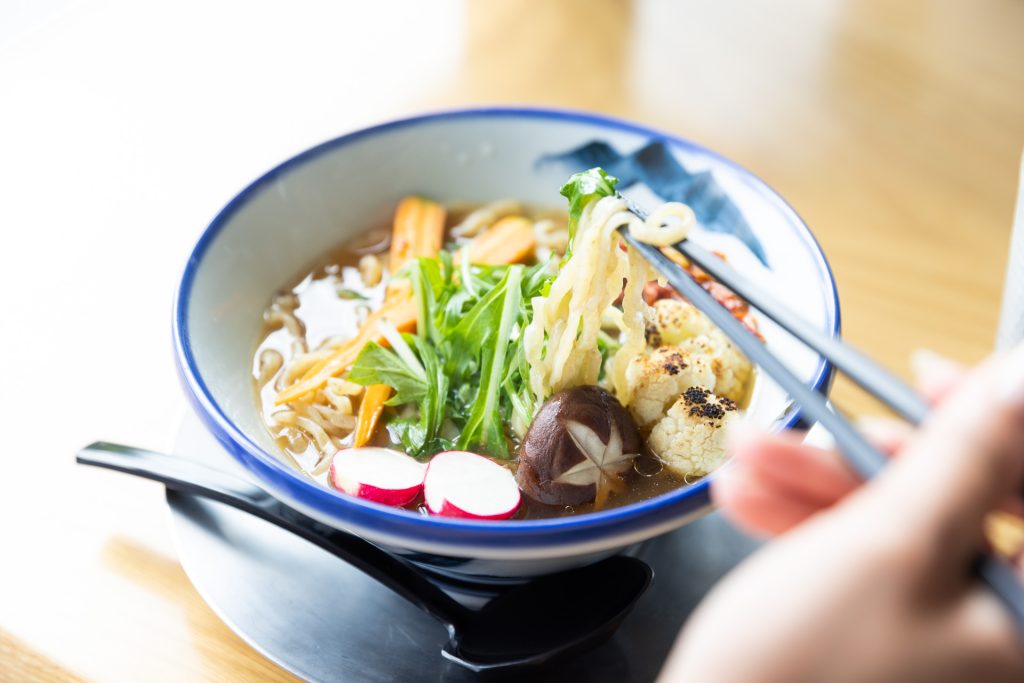
Dining in Niseko has developed alongside its international popularity. The area leans a little more towards a sophisticated restaurant scene with an emphasis on high-end dining and fusion cuisine. That said, there are plenty of local food trucks and cozy izakayas. Alongside izakaya and ramen shops, visitors can find fine-dining establishments, wine bars and contemporary Japanese restaurants serving local Hokkaido seafood. Hokkaido is famous for high quality fresh seafood thanks to coastal fishing towns such as Otaru. We’ve put together a list of our personal recommendations on our Niseko restaurant guide.
Hakuba offers a more relaxed, budget-friendly dining scene, but there has been an increase in the number of high-end options. The valley’s restaurants focus on hearty, casual fare such as pizza, burgers, Japanese curry and yakitori, complemented by traditional izakaya where visitors mingle with locals. There are also excellent soba noodle houses and cosy cafés as well as some excellent higher-end restaurants. The atmosphere in Hakuba’s restaurants tends to be warm and inviting with local charm, but there are premium options as well. If you’re interested in the best restaurants in Hakuba, check out our full Hakuba restaurant guide.
Resort Terrain
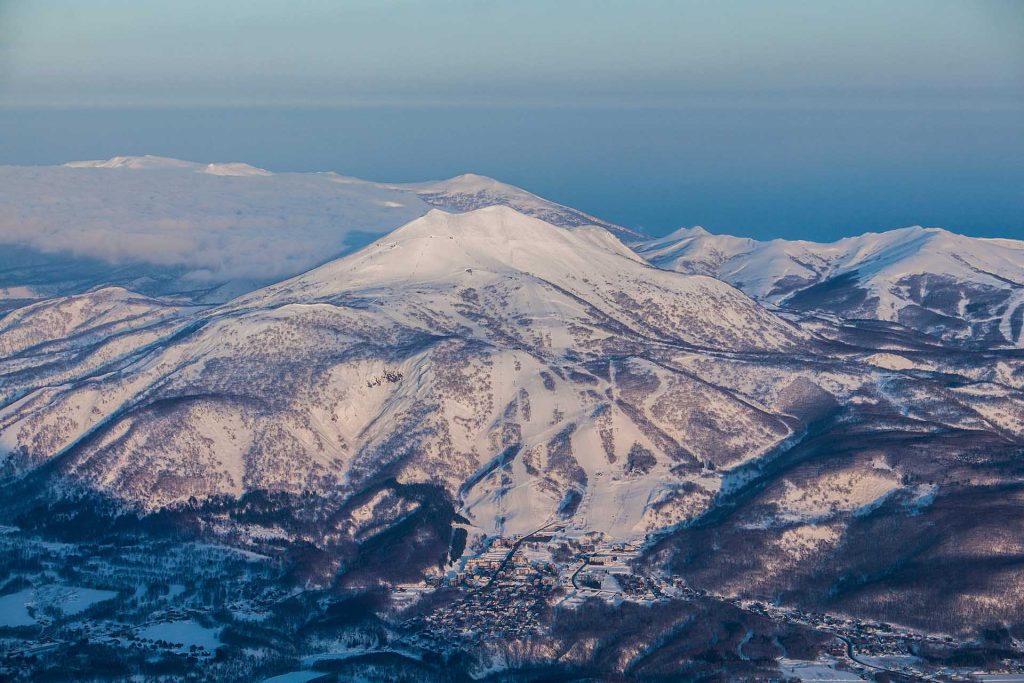
The terrain is a big part of Hakuba vs Niseko and deciding what is best for you. The Hakuba mountain range has much taller mountains so the larger resorts like Happo-One generally offer more vertical and steeper slopes. With ten resorts in the valley, skiers can explore a bigger range of terrain with quality groomers, powder runs and serious backcountry lines. Popular off-piste skiing is in Happo-One, Cortina and Tsugaike, while Hakuba 47 and Goryu boast one of Japan’s best terrain parks with good quality jumps and a halfpipe.
Niseko United covers four linked resorts on a single mountain. The slopes are generally a bit less steep, but the volume of powder snow creates great conditions for tree runs and off-piste exploration. Niseko’s freeride zones are world-renowned, and access gates lead directly to pristine backcountry areas. Terrain parks exist at Hanazono and Hirafu, but deep snowfall often shifts the focus from park riding to powder skiing.
For beginners and intermediates, both Hakuba and Niseko also offer gentle slopes and international ski schools with English-speaking instructors.
Onsens: Hakuba or Niseko?
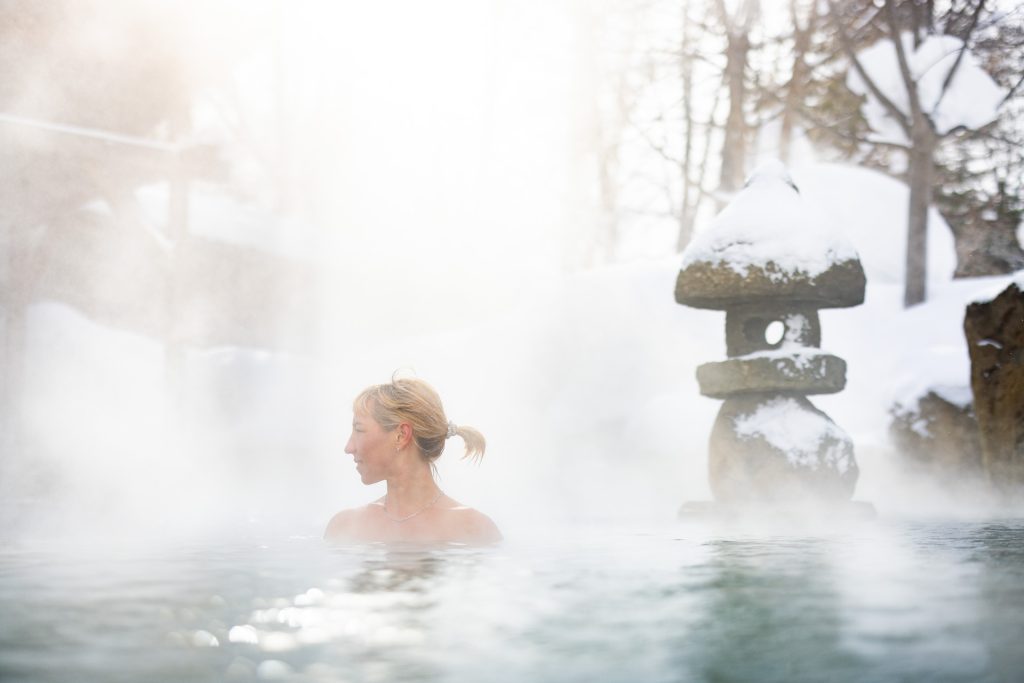
Niseko’s onsen are easily accessible throughout the area, including natural outdoor baths with views of the powder-filled landscape. Popular options include the onsen at Hilton Niseko Village, Goshiki Onsen and the recently rebuilt Yukoro Onsen in Hirafu. The mineral-rich waters are ideal for relaxing after long powder days. Check out our full Niseko onsen guide for more info.
Hakuba’s onsen offers a traditional Japanese experience with more than 10 facilities in the area including independent onsen, Ryokans and hotels. Many ryokan and hotels feature private or communal baths, and public facilities such as Happo no Yu and Mimizuku no Yu provide mountain views. There is a variety of onsen across Hakuba’s villages, from rustic outdoor baths to modern spa complexes and smaller cosy facilities. Check out our Hakuba onsen guide for info.
If you want to know how to use an onsen, check out our full guide on how to use an onsen.
Day Trips
For some travellers when thinking about Hakuba vs Niseko, this can be an important aspect. From Niseko there are some great local places to visit. A day trip to Otaru offers the chance to stroll along its canal and enjoy some of Japan’s freshest sushi and seafood. Sapporo, around two hours away, provides a lively mix of shopping, nightlife and dining, and is well known for its beer and ramen culture.
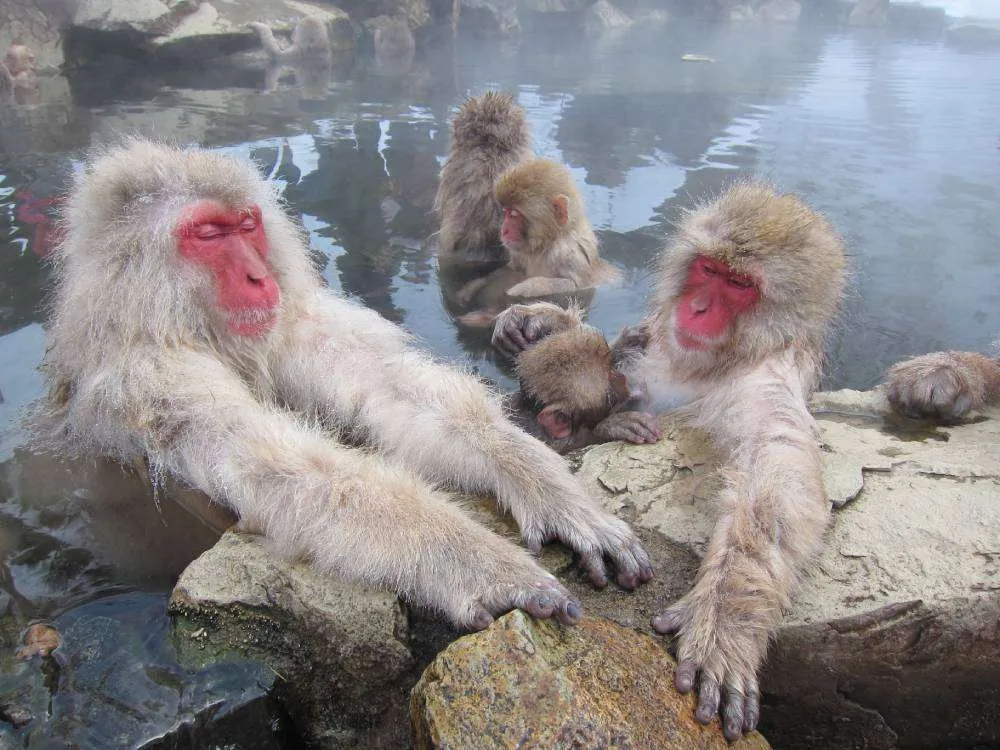
Hakuba, meanwhile, sits within reach of Japan’s cultural heartland and offers more options for experiencing Japanese culture. Popular day trips include Matsumoto Castle, one of Japan’s most beautiful original fortresses; Jigokudani Snow Monkey Park, where monkeys bathe in natural hot springs; and Zenko-ji Temple in Nagano, a historic site that attracts pilgrims from across the country. Travellers based in Hakuba can easily combine skiing with some of Japan’s most authentic cultural experiences. Check out our Hakuba day trip guide for more info.
The Bottom Line for Hakuba vs Niseko
Hakuba and Niseko both deliver unforgettable ski holidays, yet their character differs in almost every respect. Niseko promises deep, consistent powder, compact ski-in ski-out convenience and refined dining, while Hakuba offers grander mountain terrain, cultural excursions and a more varied local feel. Instead of choosing one or the other, we absolutely recommend visiting both and then deciding for yourself which is the best.
If you’re ready to try either Niseko or Hakuba, get a quote from our team and start planning your ski holiday.